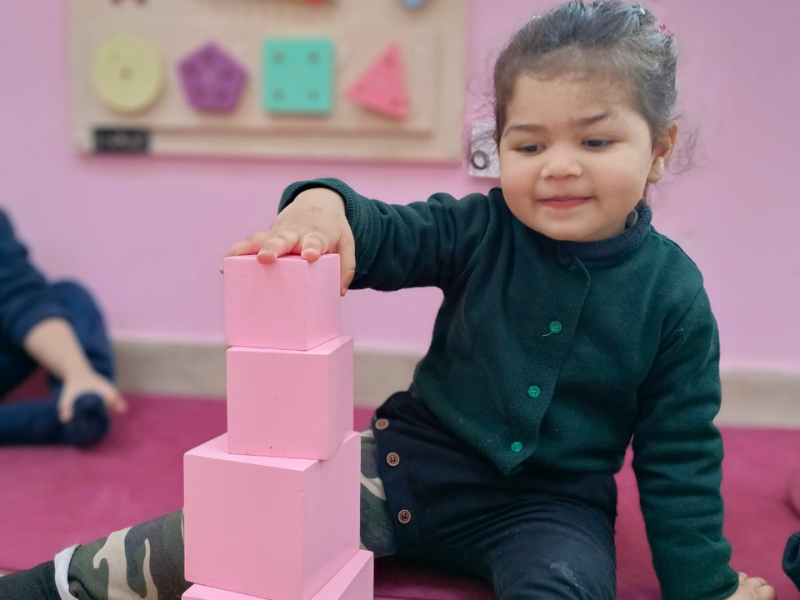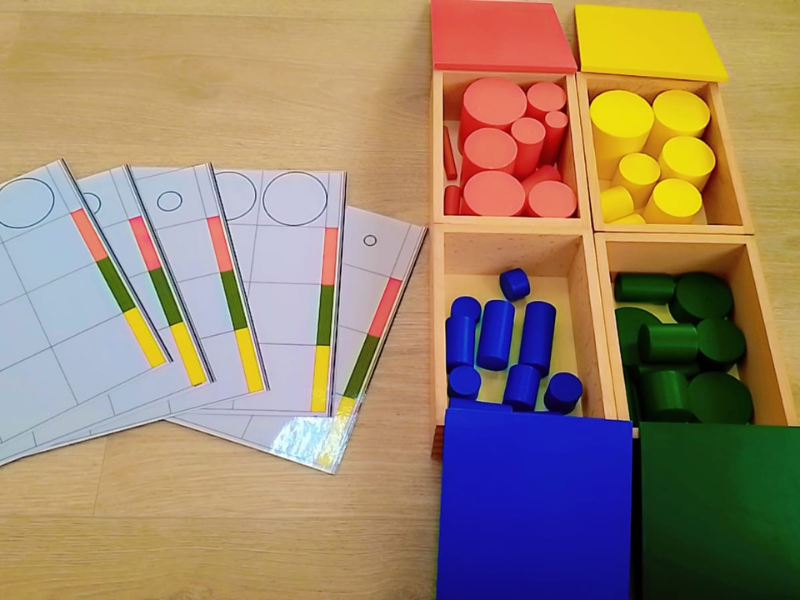

In the Montessori approach, sensory experiences play a vital role in helping children learn about their environment and develop their cognitive, social, and physical skills. Montessori sensory activities are highly structured and designed to refine the senses through purposeful exploration. Here’s a closer look at how sensory life is integrated into the Montessori method:
Key Concepts of Montessori Sensory Life
-
Materials Designed for the Senses: Montessori classrooms use specialized materials to isolate and sharpen the senses. These materials are carefully designed to be intriguing, inviting, and appropriate for children's developmental stages.
-
Choice and Freedom: Children are encouraged to choose their sensory activities independently, promoting autonomy and intrinsic motivation. This freedom allows them to engage more deeply with the materials.
-
Self-Correction: Many Montessori materials are designed so that children can assess their own progress. This self-correction fosters independence and promotes critical thinking.
-
Focus on One Sense at a Time: Montessori materials often focus on isolating one specific sensory experience (like sound, taste, or texture) rather than overwhelming children with multiple stimuli at once.