
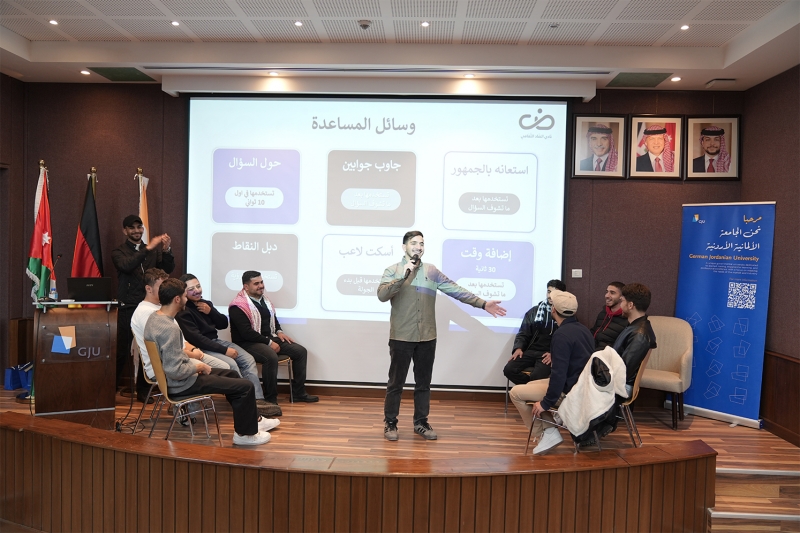
The Arabic Language Week stands as a flagship academic and cultural initiative organized by the Arabic Language and Culture Center at the German Jordanian University (GJU). Designed as more than a celebratory event, the week served as an interactive platform that brought language learning, cultural exchange, and intellectual dialogue into a shared university space, coinciding with the celebration of World Arabic Language Day.
The Arabic Language and Culture Center plays a vital role in fostering intercultural understanding between Arabic-speaking and non-Arabic-speaking students. It functions as a bridge for dialogue, enabling meaningful engagement with the Arabic language while promoting deeper appreciation of Arab culture, values, and heritage. This role aligns seamlessly with the University’s cross-border vision, which emphasizes internationalization through language, cultural exchange, and global academic collaboration.
The Center’s vision is to become a leading hub for Arabic language education and cultural integration, contributing to the building of sustainable bridges of understanding between peoples—both within the university community and beyond. Guided by this vision, its mission focuses on promoting the Arabic language and its rich culture through interactive learning approaches and lived cultural experiences that extend beyond the traditional classroom. At the core of the Center’s work lies its primary objective: teaching Arabic as a foreign language while embedding linguistic instruction within its cultural, historical, and social contexts.
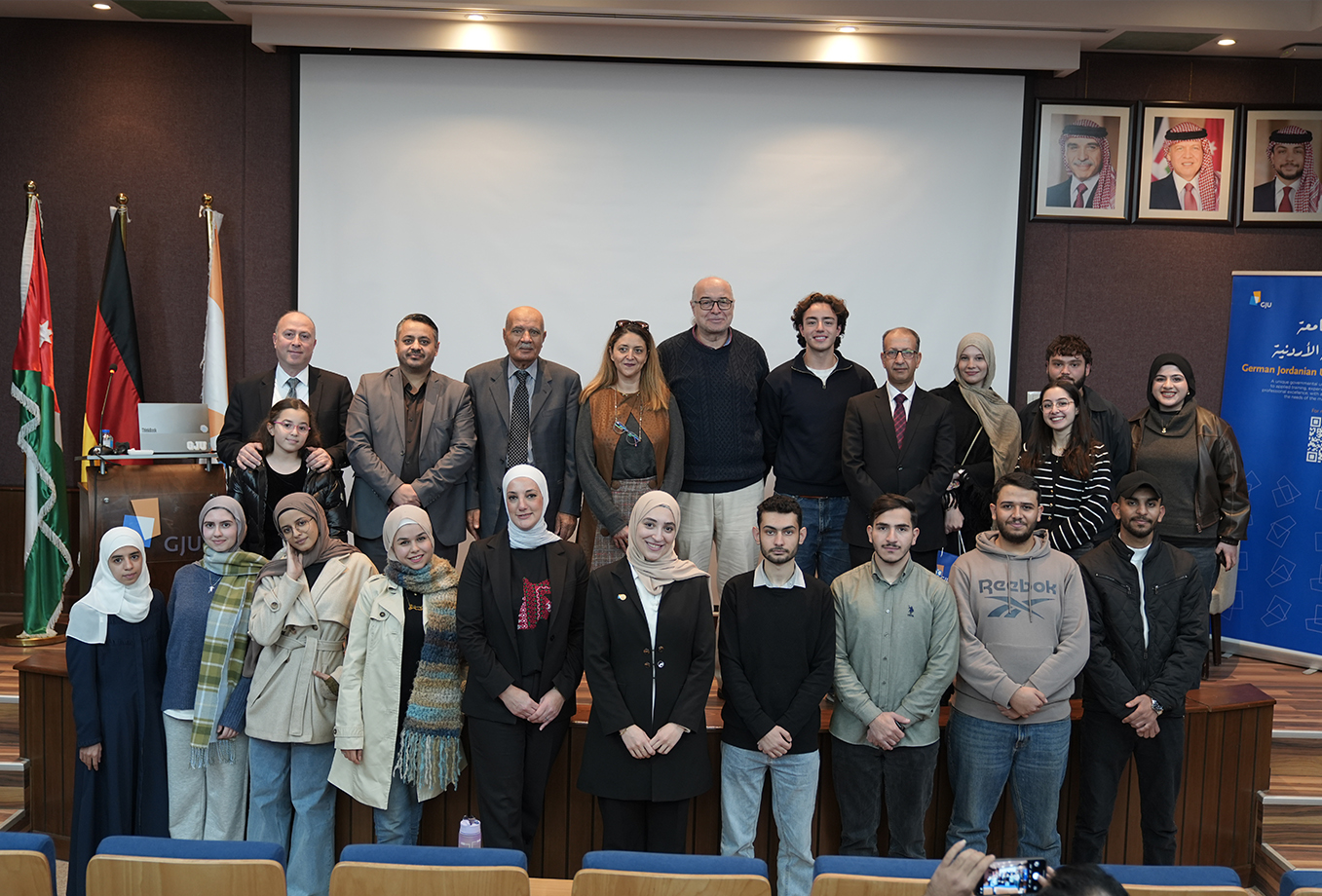
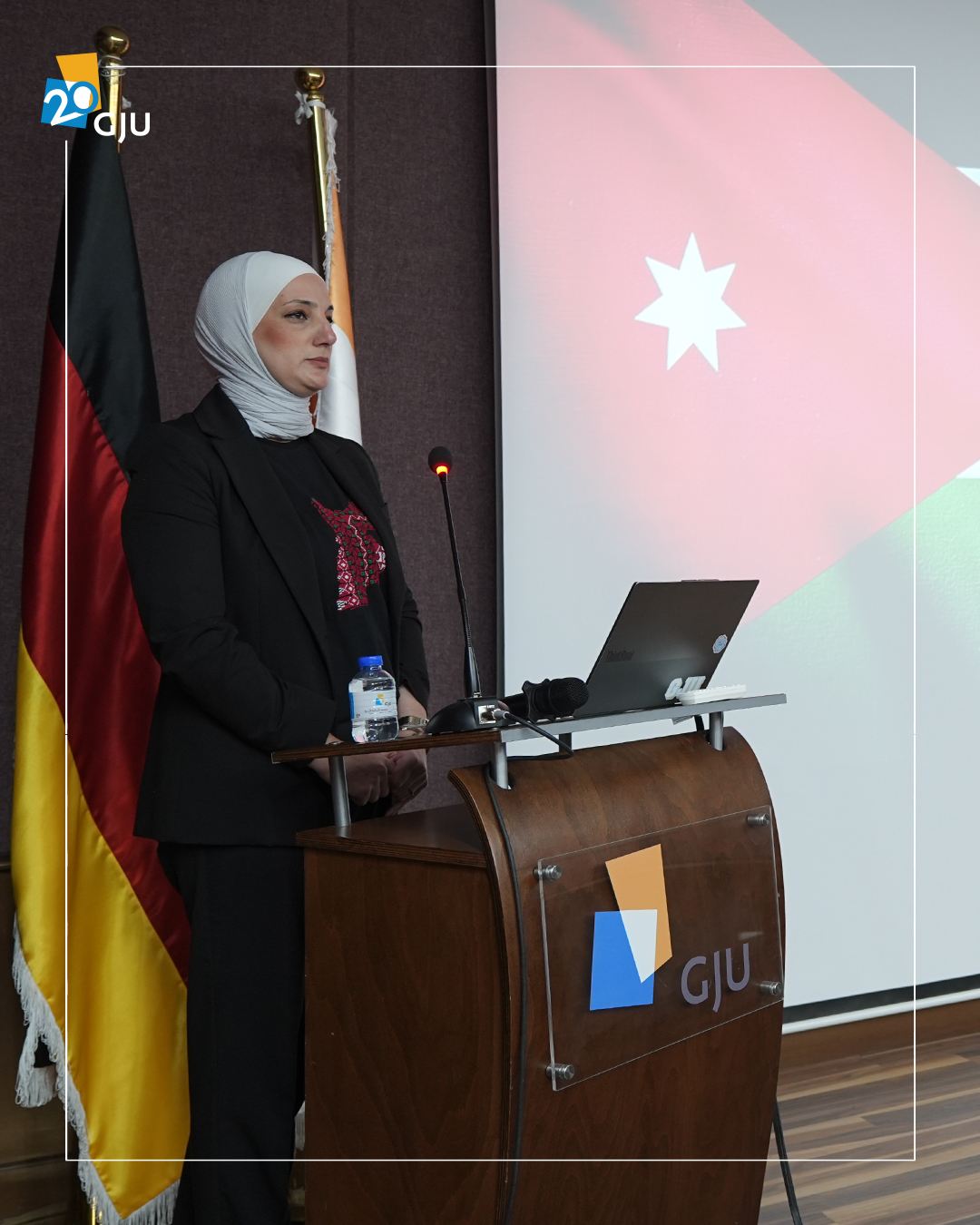
During the closing ceremony, the Director of the Center for Arabic Language and Culture, Ms. Khalida Radaideh, emphasized that celebrating the Arabic language reflects the University’s firm belief in its intellectual and civilizational role. She noted that Arabic has never been merely a means of communication, but rather a vessel of thought, a mirror of identity. She also expressed her appreciation for the active participation of students and faculty members, which reflected a distinguished level of cultural and academic engagement across the University.
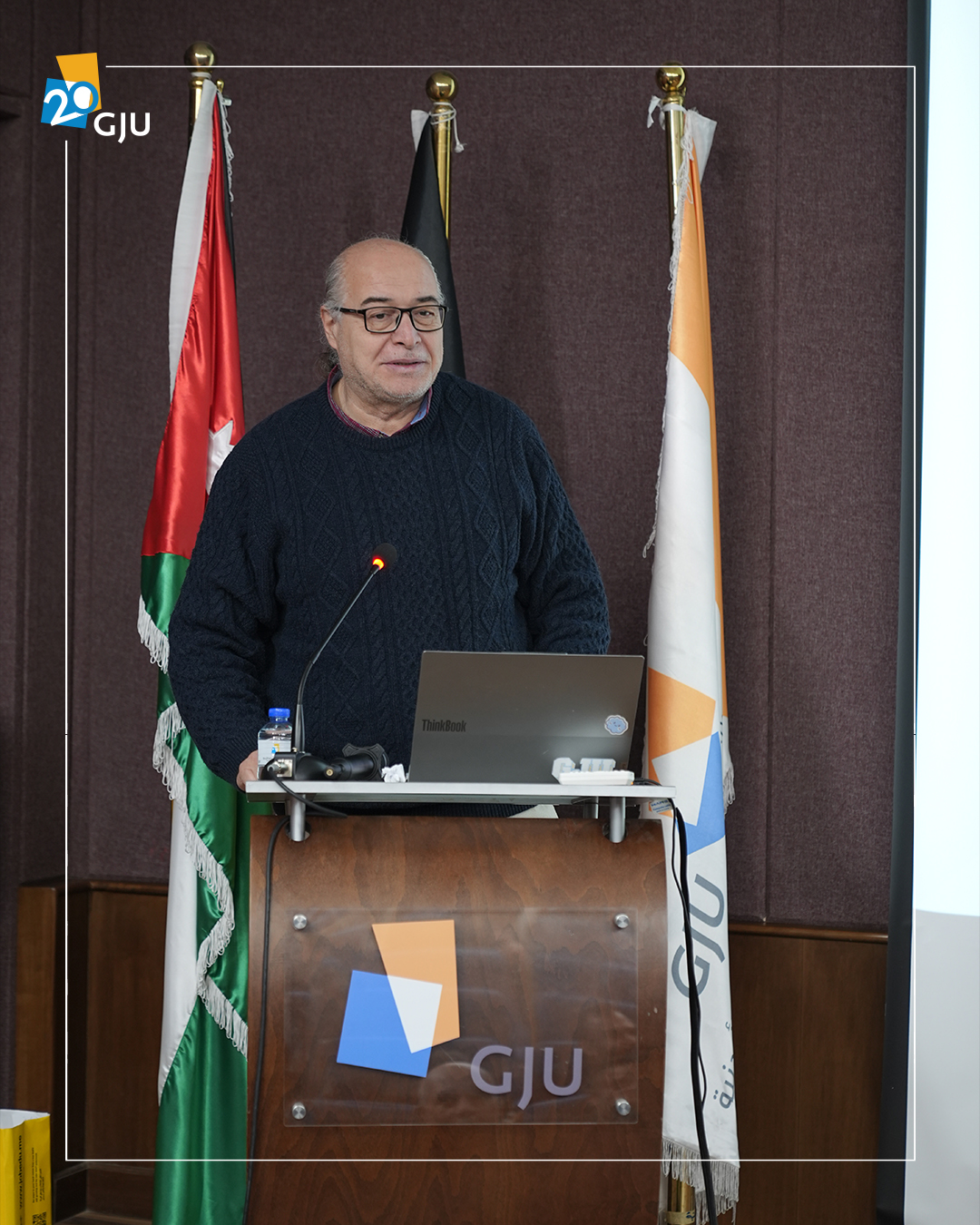
The ceremony featured a distinguished academic lecture delivered by Prof. Dr. Mohammad Hoor, entitled “Painting with Words in Arabic Poetry.” The lecture addressed the aesthetics of poetic imagery and the role of language in shaping meaning and emotional depth in Arabic poetry. Prof. Dr. Hoor is widely recognized as one of the leading critics and academic researchers in modern and classical Arabic literary studies, with significant scholarly contributions to Arabic poetry. He is a member of the Arabic Language Academy and serves on the editorial board of the Iraqi Scientific Academy Journal.
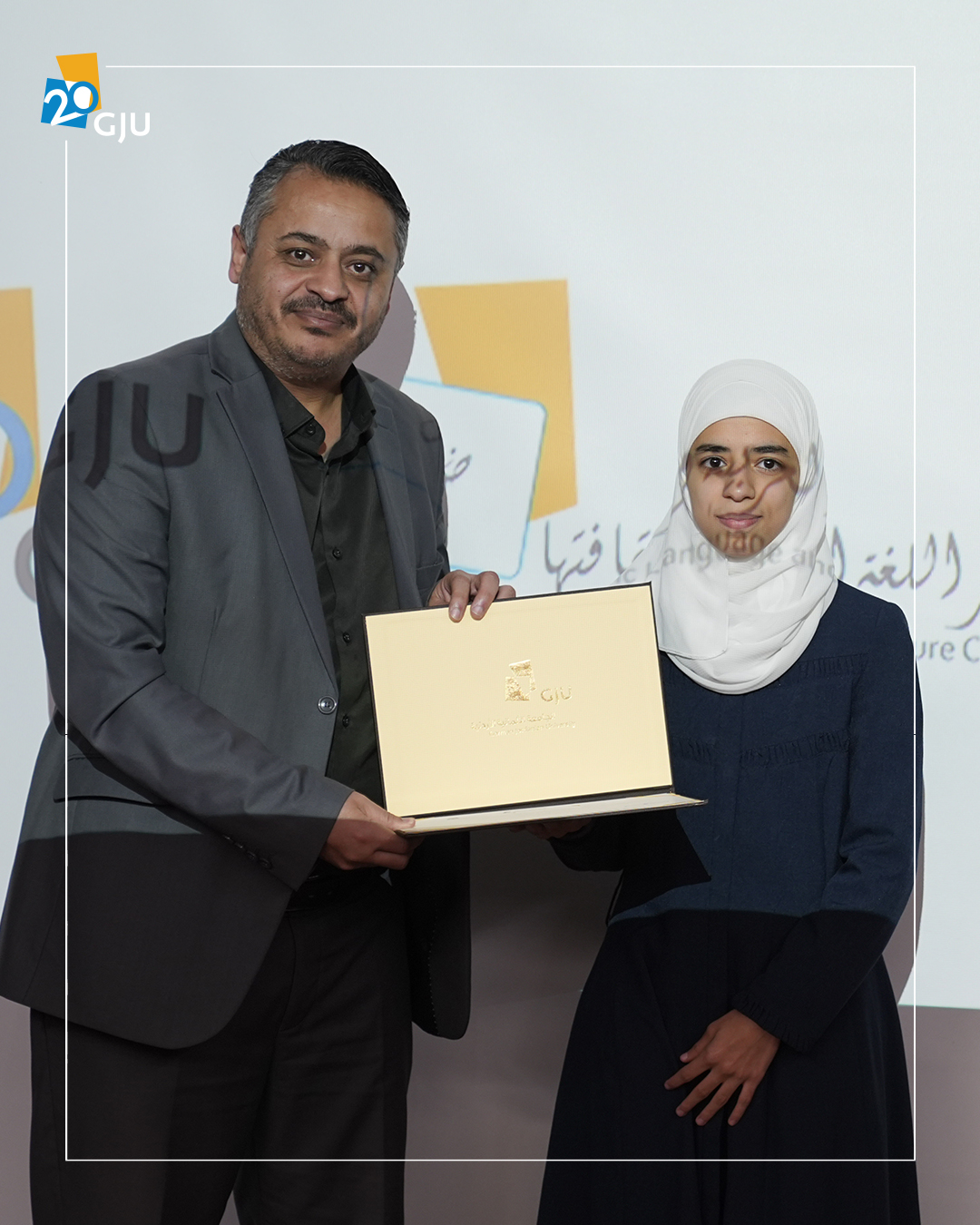
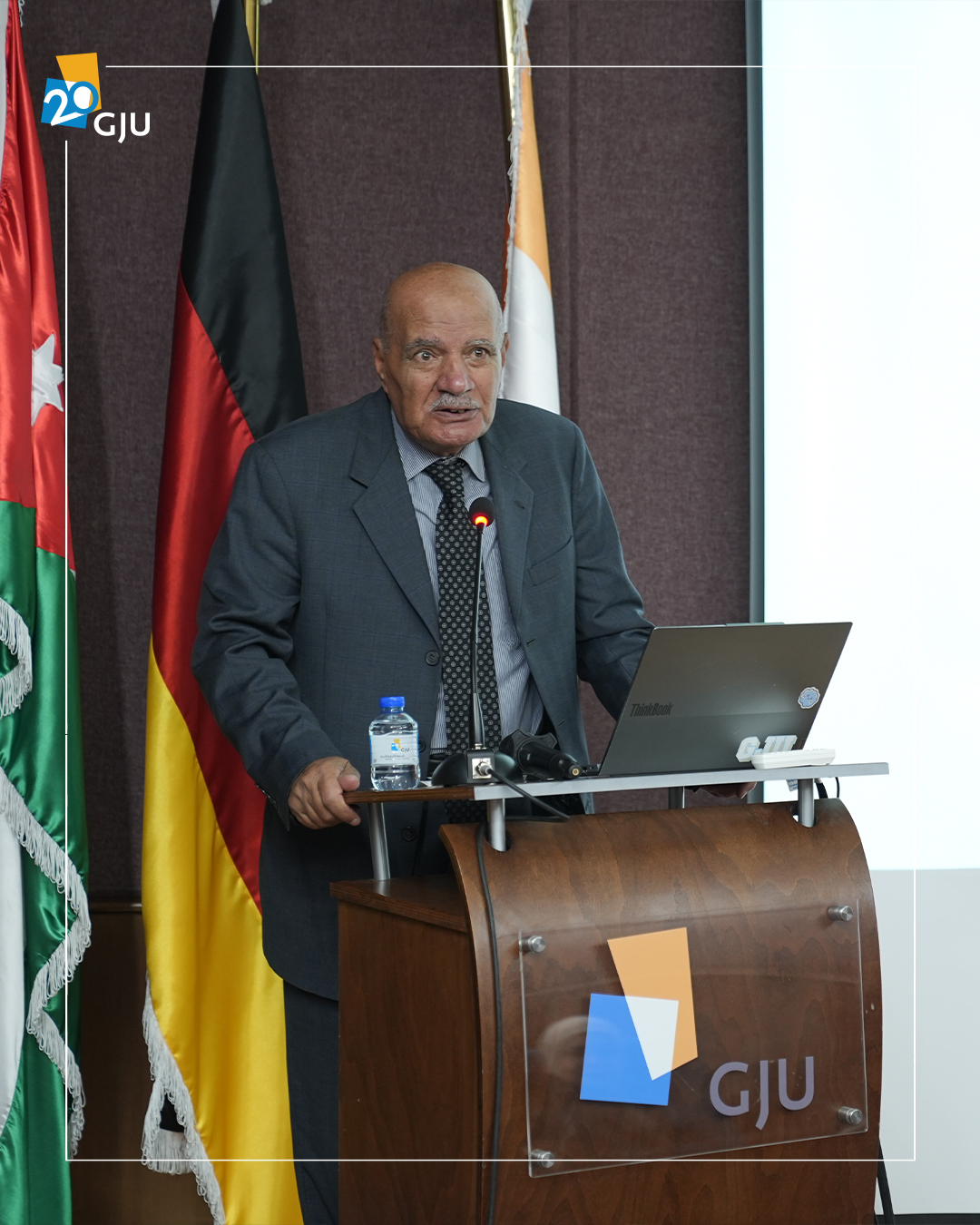
Student creativity and linguistic expression were prominently showcased through a series of competitions held throughout Arabic Language Week. The results of the Short Story Competition were announced during the closing ceremony, where student Marwa Maher Al-Rawahneh won third place for her story “A Pill of Medicine,” Safaa Waleed Khaled secured second place for “A Dream,” and first place was awarded to Sara Ahmad Muwafi for her story “Jaffa and the Homeland.” Following the announcement, Prof. Dr. Haytham Al-Thawabih presented a critical reading of the first-place winning story, offering an in-depth analysis of its artistic structure, narrative techniques, and human dimensions.
The results of the Arabic Language Week Logo and Poster Design Competition were also announced, reflecting students’ engagement with visual creativity as a contemporary means of presenting the Arabic language. Student Zaid Ghandoor won third place in the logo and poster design category, while Mais Al-Manaseer secured second place in logo design and Lian Al-Kayed won second place in the poster design category. First place in both logo and poster design competitions was achieved by student Noor Brazi. Prof. Mohammad Yaghan provided an overview of the competitions, emphasizing the importance of visual expression in serving the Arabic language and presenting it through modern and innovative approaches.
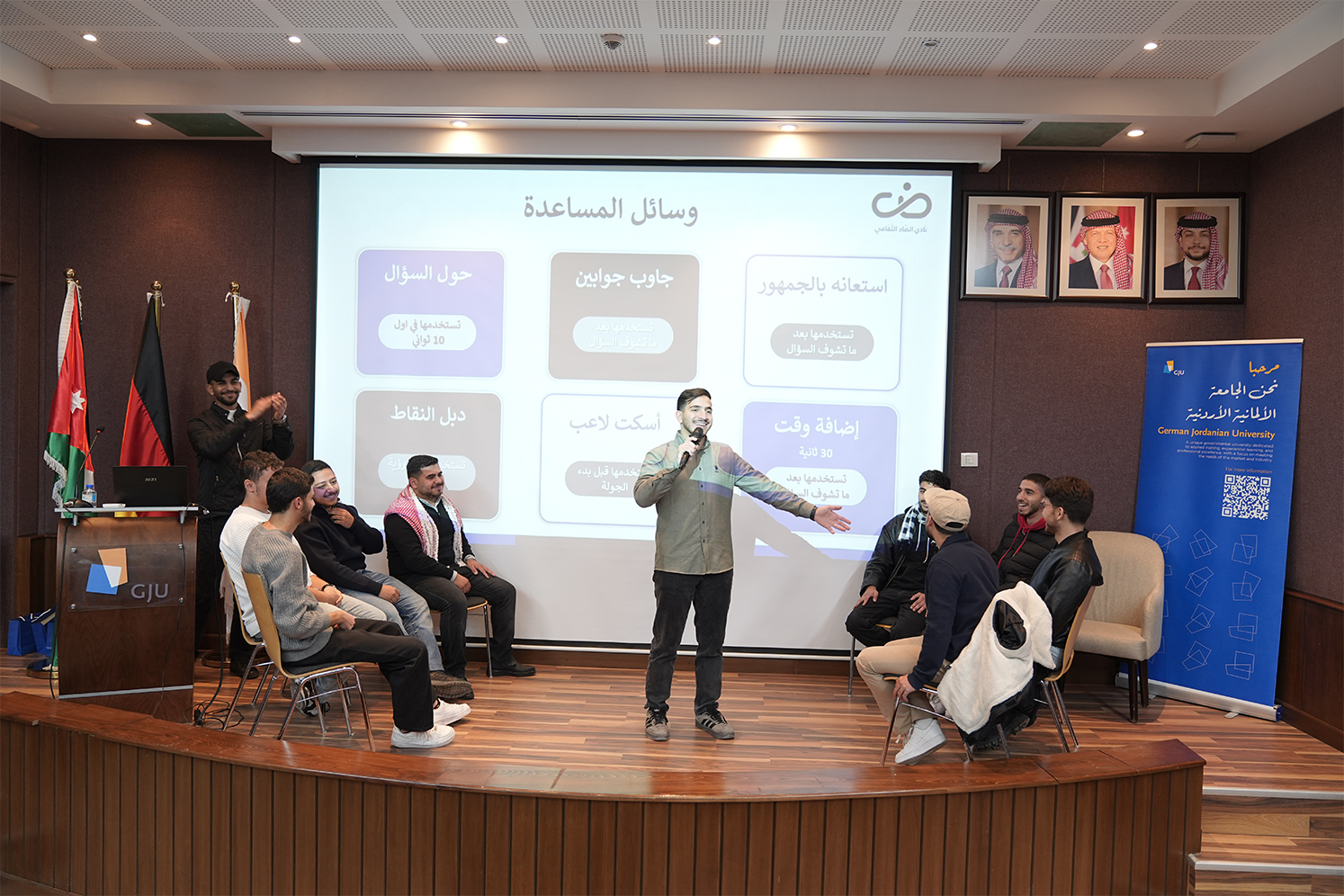
In addition, the ceremony witnessed the announcement of the results of the Al-Daad Student Club competitions, which reflected students’ creativity and active engagement with the Arabic language. The Al-Daad Club was also honored in recognition of its significant role in organizing competitions and cultural activities, and for its valuable contribution to the success of Arabic Language Week at the University.
Throughout the week, students from diverse linguistic and cultural backgrounds came together to explore Arabic not only as a means of communication, but also as a gateway to understanding a civilization that has shaped knowledge, literature, and art for centuries. Through lectures, workshops, artistic activities, competitions, and cultural showcases, Arabic Language Week transformed language learning into a vibrant, experiential process that encouraged dialogue, curiosity, and mutual respect.
Through initiatives such as Arabic Language Week, the Arabic Language and Culture Center continues to contribute meaningfully to the German Jordanian University’s international mission—reaffirming its commitment to linguistic diversity, cultural openness, and the belief that language remains one of the most powerful tools for building understanding and connection across cultures