
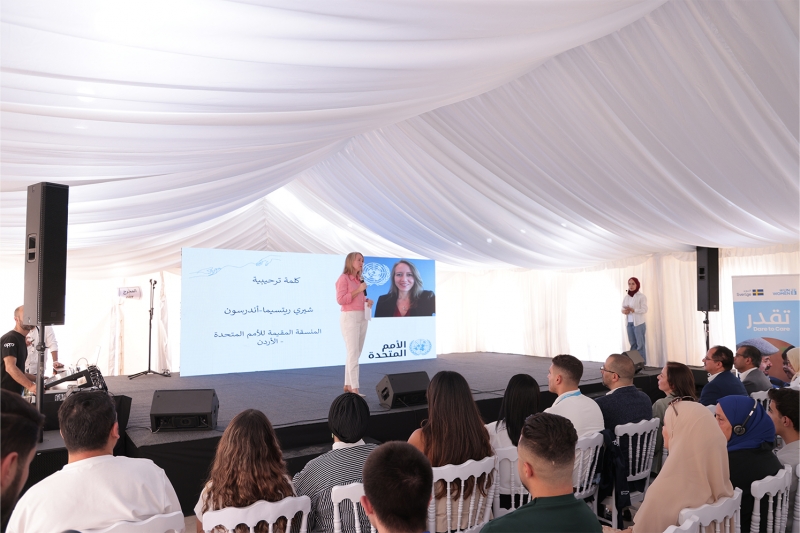
 On Saturday, August 16, 2025, the National Youth Conference concluded at the German Jordanian University (GJU) campus in Amman. The event was organized by Al Jawhar Studies and Research Company, in partnership with UN Women, as part of the "Teqdar" campaign, with support from the Swedish International Development Cooperation Agency (Sida).
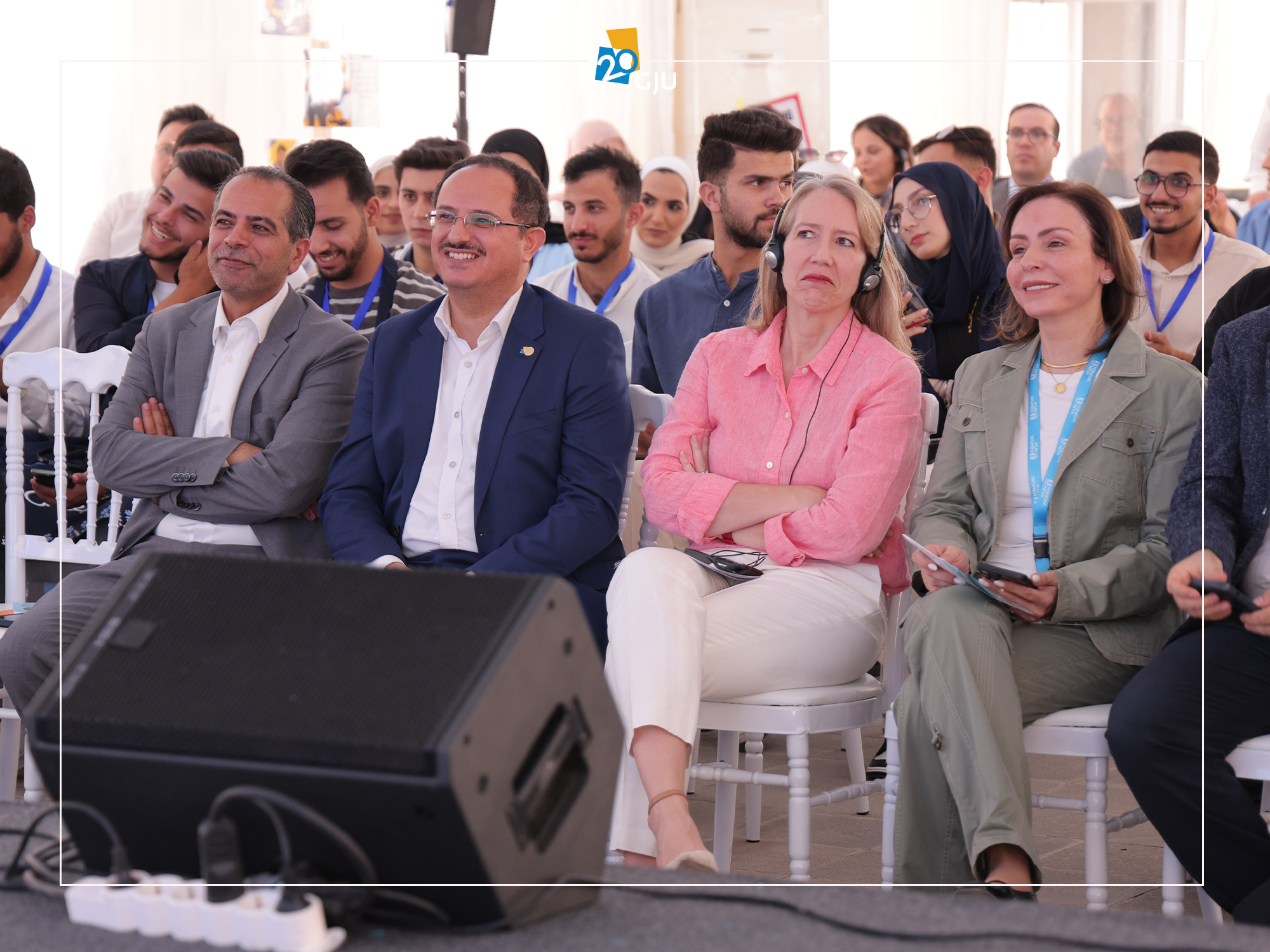
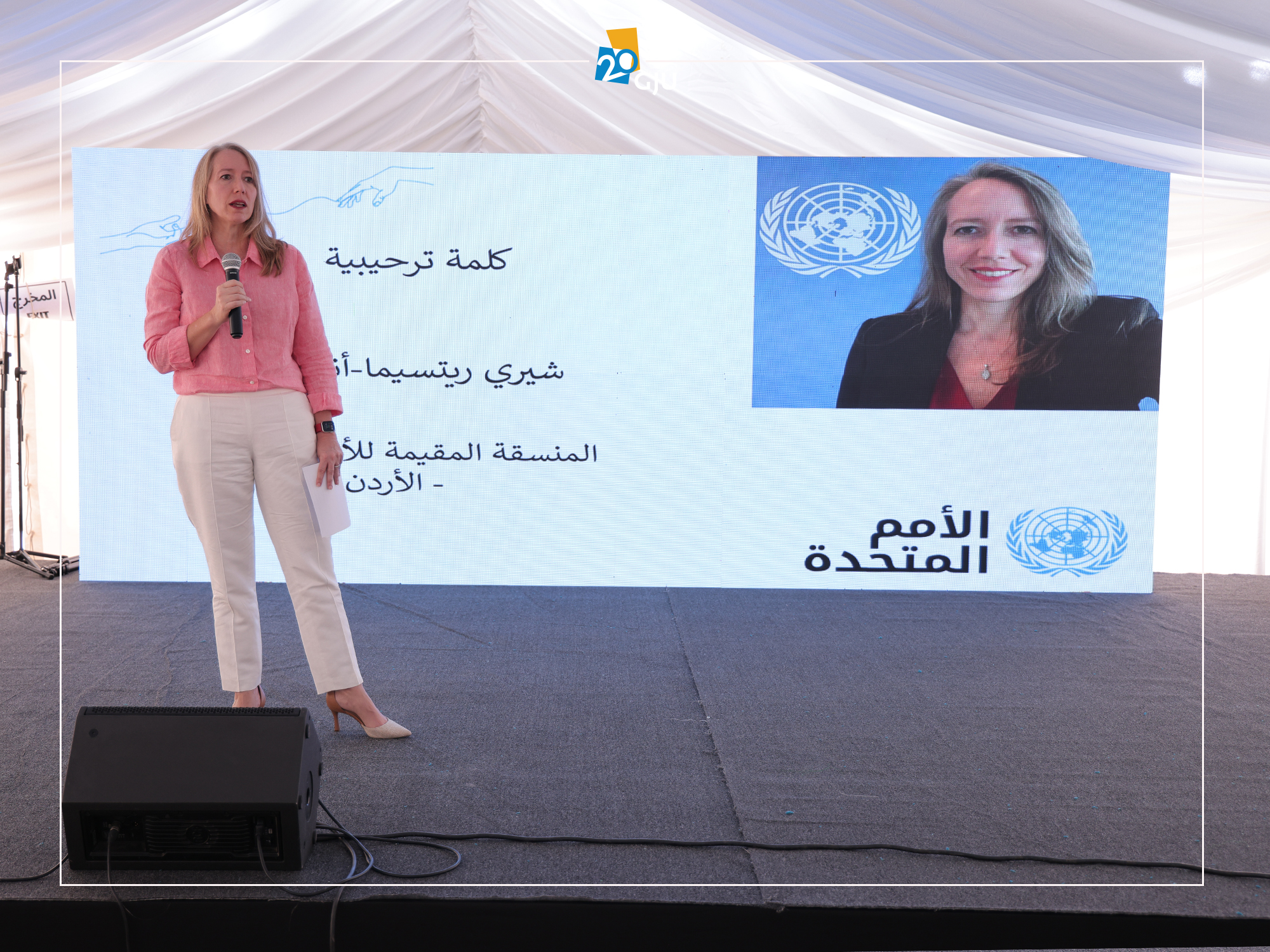
The conference gathered approximately 150 young women and men from various governorates across the Kingdom, alongside representatives from official institutions, international and local organizations, and media outlets. The event was also attended by Ms. Sheri Ritsema-Anderson, the United Nations Resident Coordinator in Jordan, who stated: “When young people lead their work with the values of equality and inclusion at their core, they drive change that extends beyond their communities. Empowering youth today is a smart investment that accelerates Jordan’s progress toward greater justice, prosperity, and resilience for generations to come.”
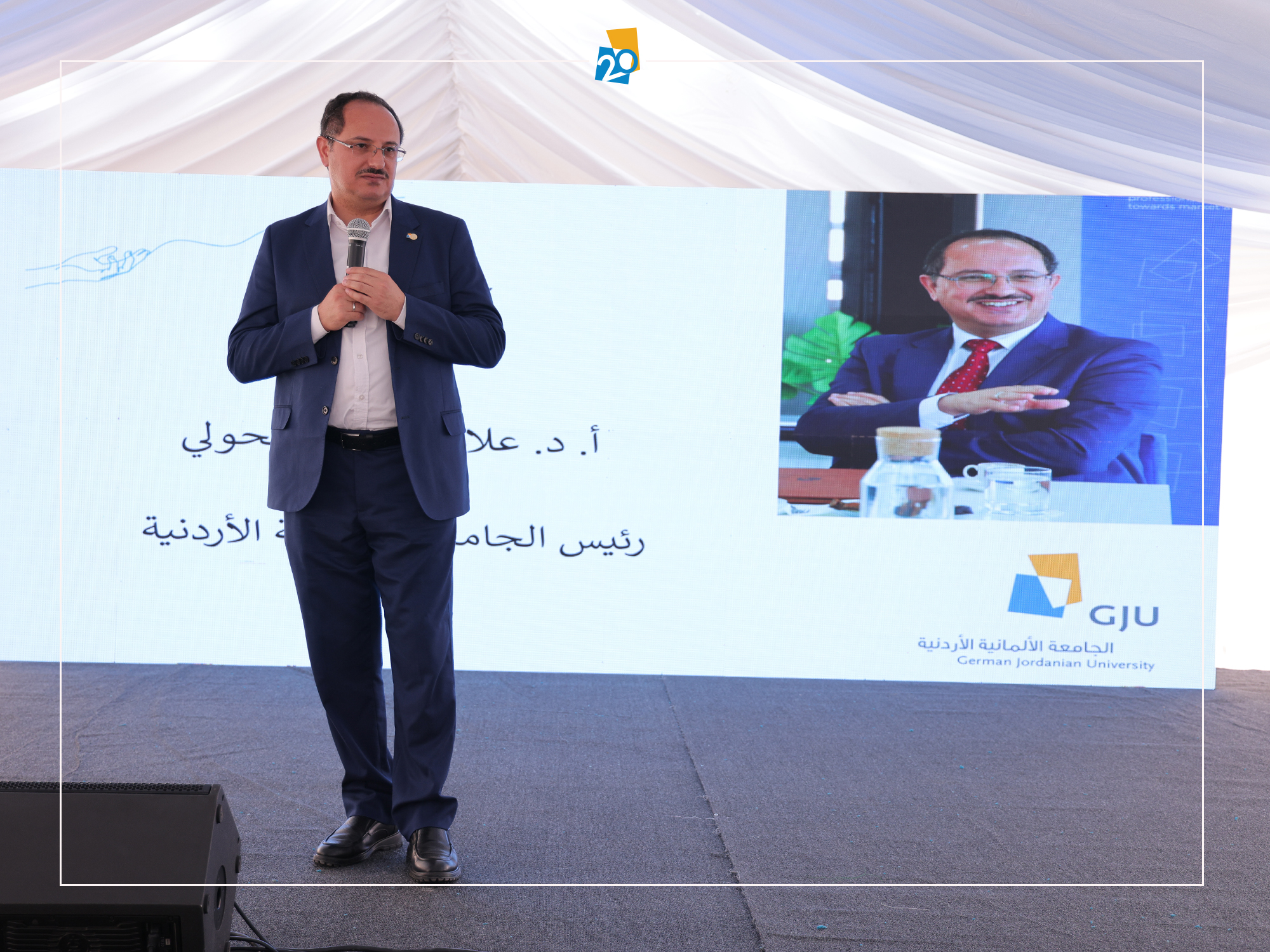
Also present was Prof. Ala’aldeen Al-Halhouli, President of GJU, who spoke to the youth, encouraging them to pioneer innovative ideas, challenge stereotypes, and actively participate in their communities to bring about meaningful positive change.
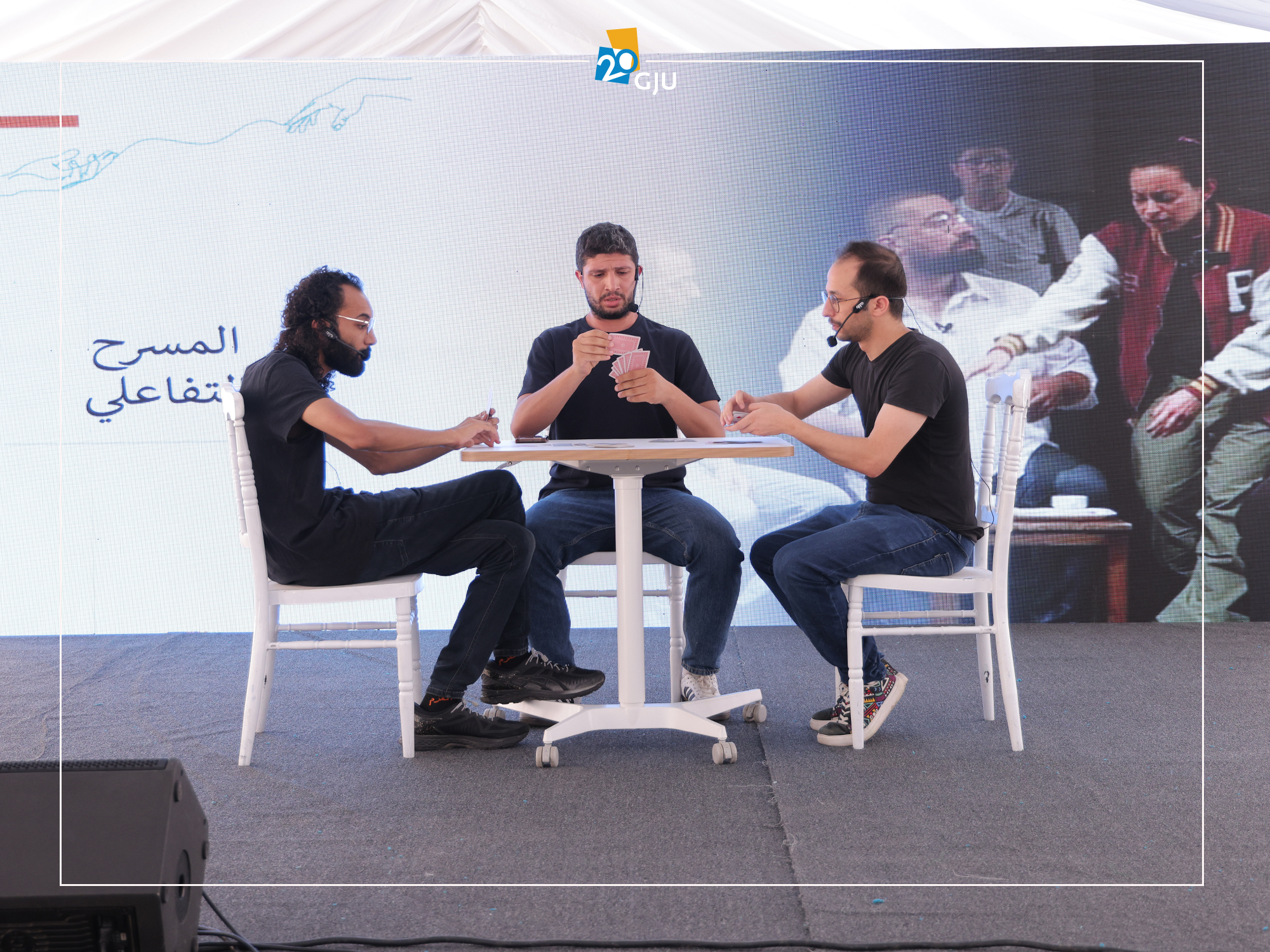
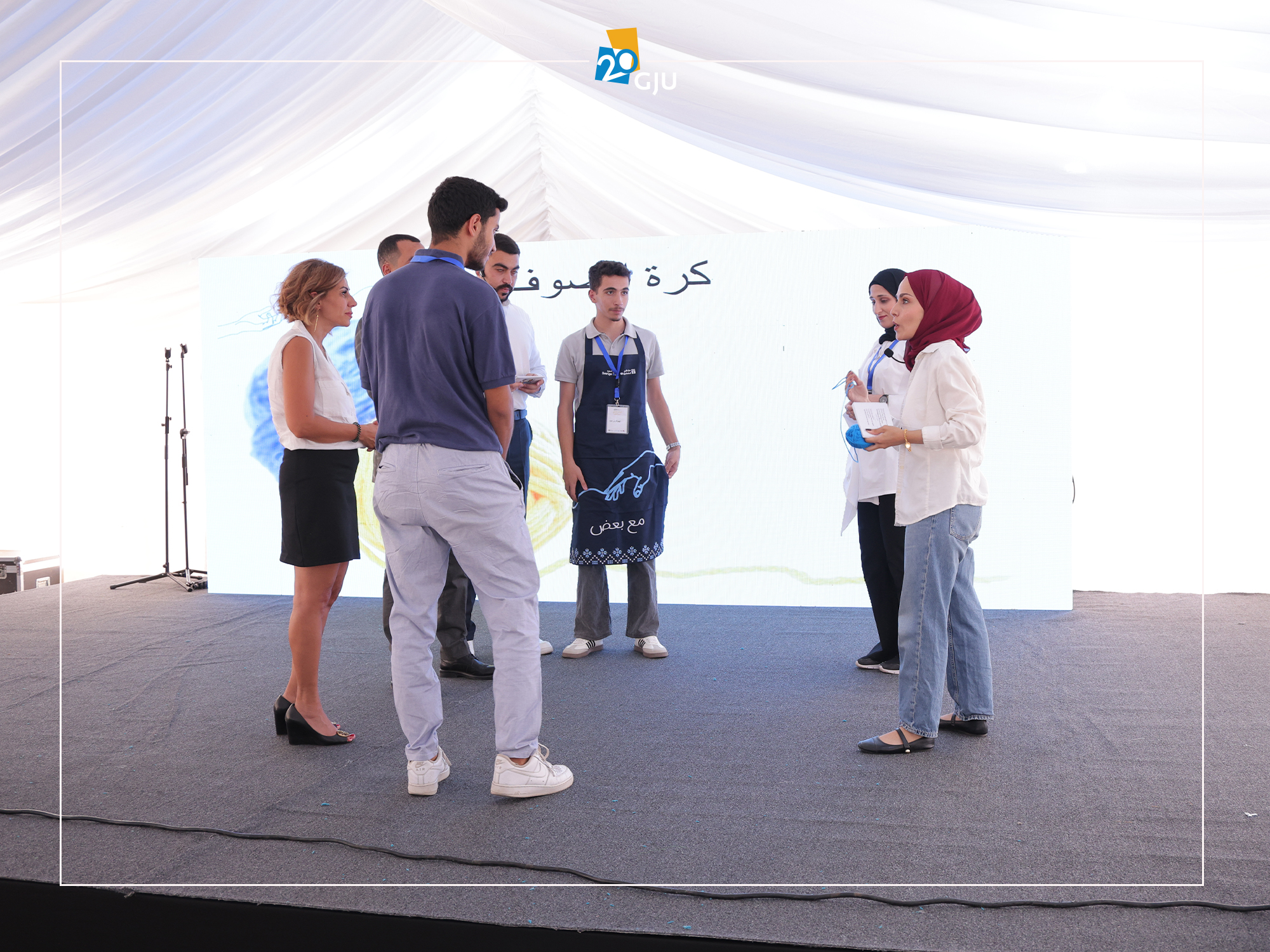
The conference offered an interactive platform where young participants expressed their visions for advancing social justice and challenging traditional caregiving roles within the family. This was achieved through engaging youth presentations and artistic performances that showcased real-life stories and inspiring experiences of change.
During the event, the national online youth competition was launched to select the best slogan for the "Teqdar" campaign. This initiative aims to foster creativity and raise awareness about the importance of fair participation in domestic and caregiving responsibilities. The competition will be open to all youth across the Kingdom through designated digital platforms.
The conference also included a "Commitment Corner," where participants made pledges to actively and consistently participate in domestic and caregiving tasks.
In his remarks, Sanad Nawar, Project Manager of "Teqdar" at UN Women, stated: “Social norms in Jordan place the heaviest burden of caregiving and household responsibilities on women, which restricts their opportunities to participate in the labor market. ‘Teqdar’ project operates on three levels: at the individual level, through awareness campaigns and family engagement to highlight that caregiving is not a weakness and that men should not feel ashamed to participate. At the youth and religious institution level, the focus is on promoting shared caregiving responsibilities between men and women. Finally, at the policy level, the project supports the creation of family-friendly work environments that accommodate caregiving responsibilities.”
Participants emphasized that involving men and boys in care work is fundamental to achieving gender equality—particularly given the substantial disparity in caregiving time in Jordan, where women spend approximately 19 hours per week compared to just one hour for men.
They also highlighted the vital role of youth as key partners in driving social change towards justice and partnership, emphasizing the importance of innovation and collective action in embedding this transformation within Jordanian society.
The conference concluded with a speech by Saleem Nuqul, CEO of Al Jawhar Studies and Research Company, who stated:“Today, we officially launched the ‘Teqdar’ campaign, marking a pivotal milestone in our efforts to raise public awareness and promote positive social change. Our activities and events will continue throughout all governorates of the Kingdom—from north to south—and will include workshops, seminars, community gatherings, and interactive field events. These initiatives aim to engage all segments of society, especially youth and women, in dialogue and collaborative problem-solving. The campaign is set to run until the end of September 2026, ensuring lasting impact and fostering long-term partnerships with both local and international institutions.”