
Montessori practical life activities are designed to help children develop essential skills through meaningful tasks that reflect everyday life. These activities are a core component of the Montessori method, promoting independence, and coordination.
Montessori practical life activities are vital for holistic development, nurturing independence and skills that last a lifetime.
Key Elements of Montessori Practical Life
Purposeful Activities: Practical life activities mimic real-life tasks, such as cooking, cleaning, gardening, and caring for self and the environment. This helps children understand their role in the household and community.
-
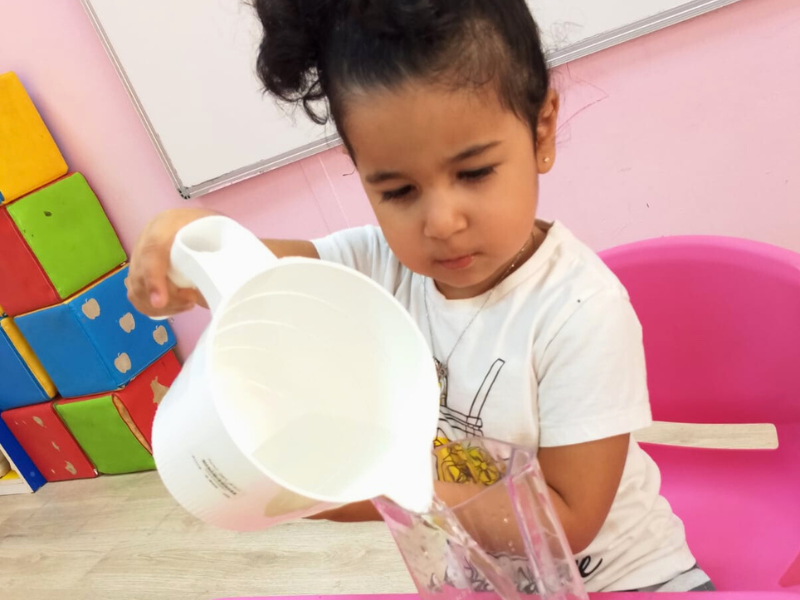
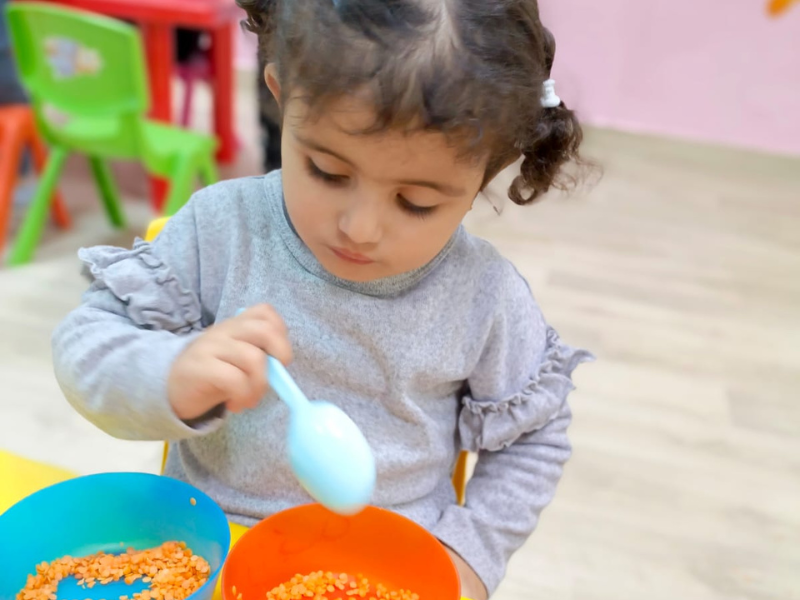
Skill Development: Activities focus on developing fine motor skills, hand-eye coordination, and control. Examples include pouring, spooning, buttoning, and using scissors.
-
Independence and Confidence: Through these tasks, children gain confidence in their abilities. They learn to complete activities on their own, fostering a sense of achievement.
-
Order and Care: Much emphasis is placed on teaching children how to care for their environment and themselves. They learn to organize materials, clean up spills, and take care of plants or pets.
-
Concentration and Focus: Practical life activities encourage sustained focus as children engage deeply in tasks that interest them, helping to improve their attention span.