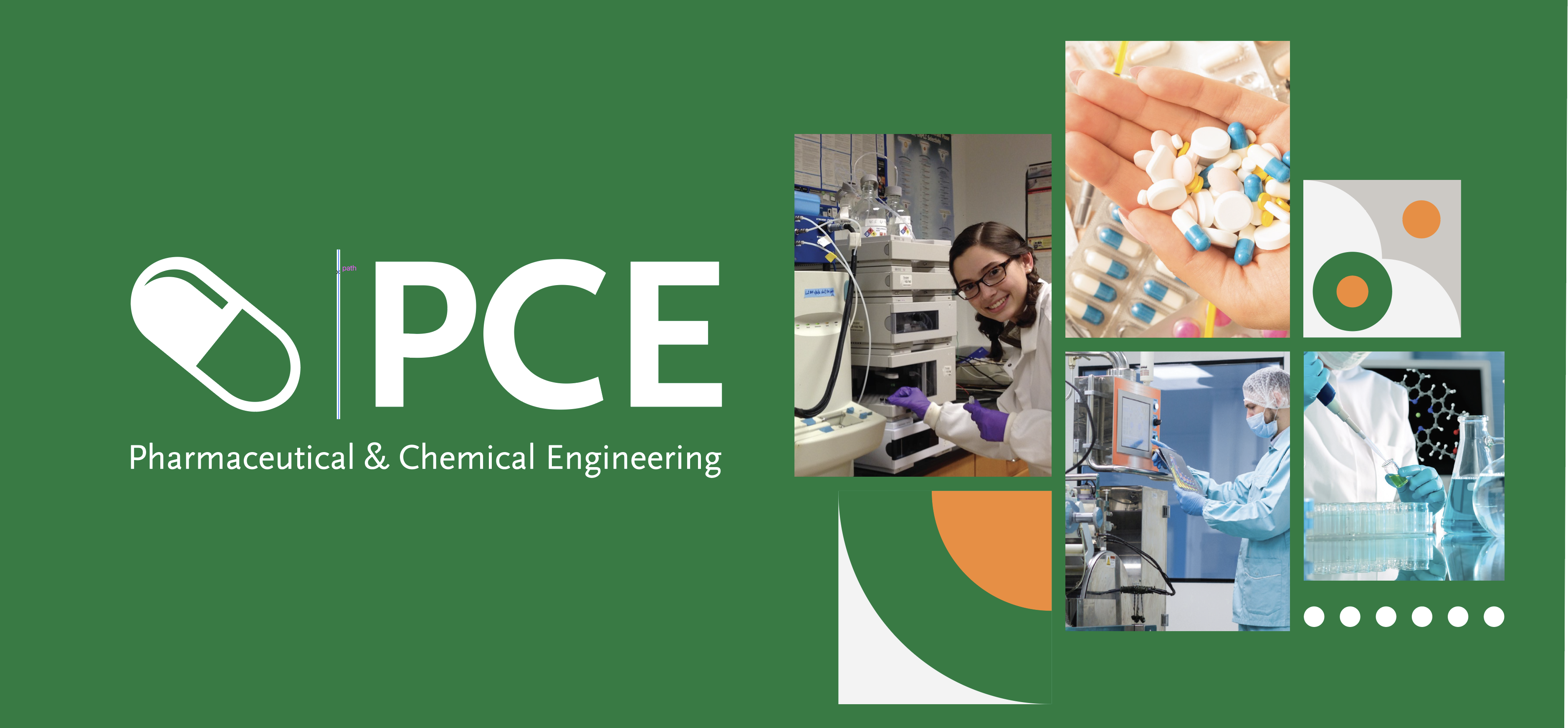

PCE Master program consists of 33 credit hours and has two tracks (Thesis and non-Thesis).
The program combines principles of chemical engineering with pharmaceutical sciences. Any BSc's degree holder in Chemistry, Pharmacy, PharmD, Chem. Engineering or PCE can enroll in this program.
The program aims to equip students with advanced knowledge and skills in the design, development, and production of pharmaceuticals and chemicals.
Program Educational Objectives (PEOs)
1. Advance in their careers by applying their technical knowledge, problem-solving abilities, and innovative approaches to optimize and enhance processes and products within the pharmaceutical and chemical engineering sectors.
2. Drive R&D initiatives by contributing to the advancement of scientific knowledge and technology through innovative research, systematic experimentation, and the practical application of engineering principles across diverse professional settings.
3. Conduct impactful research by designing and executing studies that address current challenges in the field, using analytical and experimental methods to generate valuable insights and data that inform pharmaceutical and chemical engineering advancements.
4. Exemplify professional integrity by upholding ethical standards, ensuring regulatory compliance, and taking responsibility in professional practices to enhance the safety, sustainability, and credibility of the pharmaceutical and chemical industries.
5. Demonstrate leadership and collaboration by working effectively within interdisciplinary teams, leveraging strong communication and interpersonal skills to manage projects, drive team success, and solve complex engineering challenges.
6. Commit to lifelong learning by staying engaged with emerging technologies, research, industry trends, and ongoing professional development opportunities to adapt to the evolving landscape of the pharmaceutical and chemical engineering fields.
Program Outcomes
1. Apply advanced technical knowledge and analytical skills in pharmaceutical and chemical engineering to identify, evaluate, and solve complex industrial problems, contributing to innovation and process optimization.
2. Utilize advanced research methodologies to design, conduct, and analyze experimental studies that address current challenges in pharmaceutical and chemical engineering, fostering the development of impactful solutions.
3. Demonstrate effective leadership, teamwork, and communication by working productively within interdisciplinary teams and presenting findings to diverse, global audiences, contributing to successful project outcomes and team goals.
4. Engage with modern information technology to enhance professional skills and pursue lifelong learning opportunities, staying current with advancements and trends in the pharmaceutical and chemical engineering fields.
5. Innovate in product and process development by applying creative problem-solving and engineering principles to design sustainable, efficient, and safe solutions for pharmaceutical and chemical applications.
6. Critically evaluate scientific literature and industry trends to guide evidence-based decision-making and inform practices that align with current and emerging needs in pharmaceutical and chemical engineering.
7. Exhibit professional integrity and social responsibility by adhering to high ethical standards and regulatory frameworks, ensuring practices that benefit societal and industry-wide safety and sustainability.

School:
School of Applied Medical Sciences (SAMS)
Program- image :