

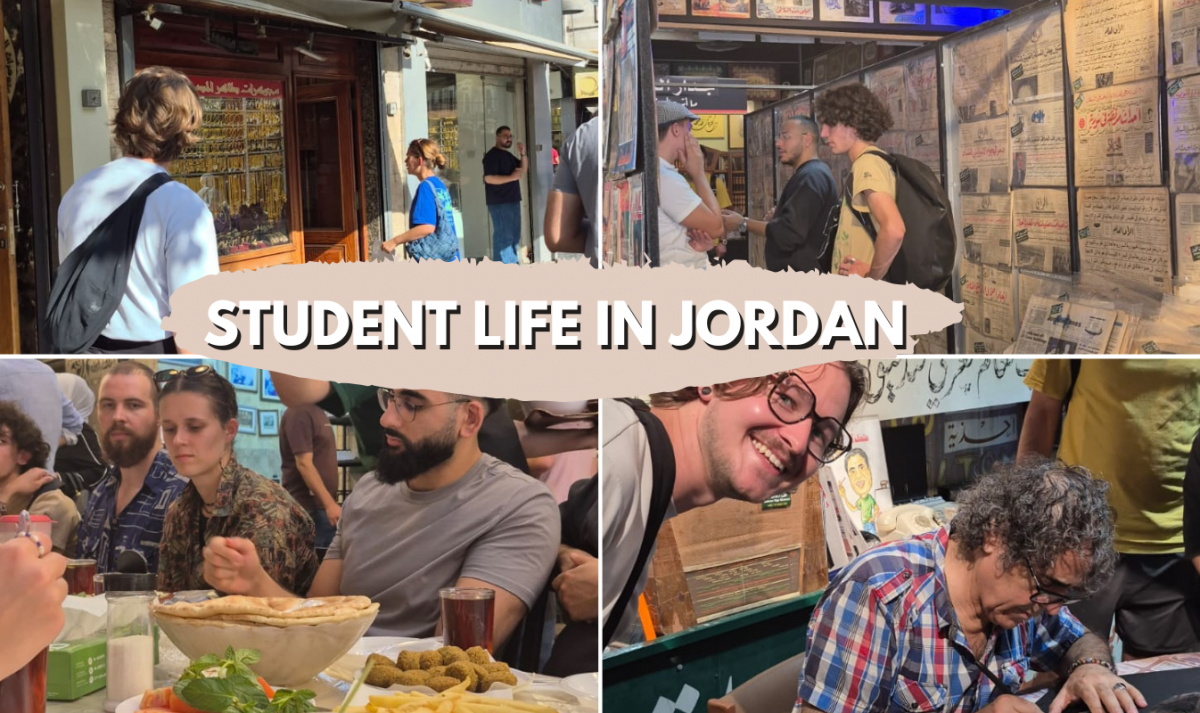
1. Location and Cultural Belonging
The Hashemite Kingdom of Jordan is located in Asia and is part of the Arab world, specifically belonging to the Levant region, which includes Syria, Lebanon, Palestine, and Jordan.
Jordan combines beautiful mountains, deserts, valleys, and plains. It is a safe and stable country in the heart of the Arab world.
The total area of Jordan is approximately 89,000 square kilometers, which is similar in size to Austria.
2. Language and Dialect
The official language of Jordan is Modern Standard Arabic, used in education, media, and formal communication.
In daily life, people speak the Levantine dialect, a form of Arabic that is widely understood across the region.
Many Jordanians also speak English, especially in major cities and academic institutions, which makes daily communication easy for international students.
3. Religion and Social Culture
The majority of Jordanians are Muslims, and there is also a Christian minority and followers of other faiths.
Religion plays an important role in people’s lives and influences traditions, clothing, and social interactions.
Jordanians are known for being friendly, hospitable, and family-oriented. Family is central to social life, and respect for others is a core value.
4. Religious and National Holidays
Important religious celebrations include Ramadan, Eid al-Fitr, and Eid al-Adha.
The main national holiday is Independence Day on May 25.
During Ramadan, many restaurants close during the daytime and open after sunset, creating a warm and festive atmosphere filled with generosity and community spirit.
5. Climate and Seasons
Jordan enjoys a generally moderate climate:
Summer (June–August): Hot and dry, with temperatures in Amman typically ranging between 30–35°C.
Winter (December–February): Cool to cold, sometimes rainy, and occasionally snowy in higher areas.
Spring (April–June) and Autumn (September–November) are the most pleasant seasons, perfect for travel and outdoor activities.
6. Water Scarcity
Jordan is one of the most water-scarce countries in the world.
The average renewable water resources per person are less than 100 cubic meters per year, far below the international water poverty line.
Because of this, water is usually supplied to homes on specific days of the week, and each household stores water in rooftop tanks.
Ask your landlord or building caretaker about your area’s water schedule.
7. Housing and Rent
Furnished apartments come with furniture, kitchenware, and appliances.
Unfurnished apartments are usually empty and may lack basic equipment.
Finding an apartment near universities can take time, especially in Amman.
Most buildings have a caretaker (concierge) who can help you with any issues related to electricity, water, or maintenance.
8. Transportation
Public transportation in Jordan is improving but still limited in some areas:
Amman Bus: A modern and organized public bus system with a dedicated mobile app and fixed schedules. Payment is made through a rechargeable card.
Coaster buses: Small white minibuses that connect neighborhoods; they are less organized and have no fixed schedule.
Yellow taxis: Available everywhere; always make sure the meter is turned on before starting your trip.
Service taxis (white taxis): Shared taxis that operate along fixed routes between stations.
To travel outside Amman, you can use JETT buses or other intercity bus services from main terminals.
9. Jordanian Food
Jordanian cuisine is rich, flavorful, and influenced by Levantine traditions.
Famous dishes include Mansaf (the national dish), Falafel and Hummus, and Shawarma.
Popular desserts include Knafeh, a sweet pastry filled with cheese or cream.
A typical local meal can cost around 3 USD per person, depending on the location and restaurant.
10. Shopping and Payment
It is always a good idea to carry cash and small change, as many small shops do not accept cards.
ATMs are widely available in cities and malls.
In traditional markets like Downtown Amman, bargaining (called mufasala in Arabic) is common—especially when buying souvenirs or gifts.
11. Directions and Landmarks
When giving directions in Jordan, people usually refer to landmarks rather than street names.
It’s common to say: “near the hospital,” “next to the supermarket,” or “across from the pharmacy.”
Using landmarks makes it much easier for drivers and locals to find your destination.
12. Tourist Attractions
Jordan is home to some of the most stunning historical and natural sites in the Arab world:
Petra: The “Rose City” carved into the rocks and one of the New Seven Wonders of the World.
Wadi Rum: A breathtaking red desert known for its rock formations and camping experiences.
The Dead Sea: The lowest point on Earth and famous for its salt-rich water.
Jerash: A remarkably preserved Roman city.
Aqaba: A coastal city on the Red Sea known for diving, snorkeling, and beach resorts.
Ajloun and Dana Nature Reserve: Beautiful green areas ideal for hiking and eco-tourism.
Students with valid university IDs or residency permits often receive discounted entrance fees at many tourist sites.
13. Additional Practical Information
Currency: Jordanian Dinar (JOD).
Electricity: 230 volts; plugs are usually type C or G.
Safety: Jordan is a very safe and stable country. Police presence is visible, and the crime rate is low.
Dress code: Modest clothing is appreciated in public spaces.
Time zone: UTC +3.
Internet: Wi-Fi is widely available in cafés, homes, and universities, and local SIM cards are easy to purchase.
14. In Case of Emergency
General emergency number: 911
For university-related or medical emergencies, contact your Student Affairs Office or the International Office at the German Jordanian University.
Always keep a list of important contact numbers such as your landlord, the university, and your country’s embassy.